VIETNAM

250+

Sunny Days Per Year

+8

Timezone GMT

6

Months Remote Work Visa

150+

International Flights

Vietnam is emerging as a top destination for remote professionals, digital nomads, and location-independent workers, offering a seamless blend of modern infrastructure, affordability, and diverse lifestyle options. If you thrive in a fast-paced urban environment, Ho Chi Minh City is a hub for entrepreneurs, freelancers, and remote workers, with co-working spaces, a buzzing startup ecosystem, and international networking opportunities. Prefer a slower, more traditional setting? Hanoi is perfect for those who appreciate rich cultural heritage, historic architecture, and a thriving café work culture.

For those seeking a balance between work and wellness, Da Nang is an ideal choice, offering beachfront living, high-speed internet, and a growing community of remote professionals. If your priority is a relaxed island lifestyle, Phu Quoc delivers tranquil beaches, fresh seafood, and a laid-back atmosphere, making it a great long-term base for remote work. With strong digital infrastructure, international airport connectivity, and a welcoming expat community, Vietnam is a hassle-free destination for extended stays.

Beyond work, Vietnam’s affordability makes it easy to enjoy a high quality of life. From fully serviced living to world-class dining, fitness centers, and wellness retreats, everything is accessible at a fraction of Western costs. Whether you’re drawn to a dynamic city, a creative cultural hub, or a tropical retreat, Vietnam offers flexible long-term living options that support productivity, lifestyle balance, and adventure.

Global Connectivity

Balanced Lifestyle

Affordable High-Quality Living

Entrepreneurial & Startup Scene

Outdoor & Wellness Culture

Where to Live in Bali?

Ubud – A Haven for Focus and Creativity

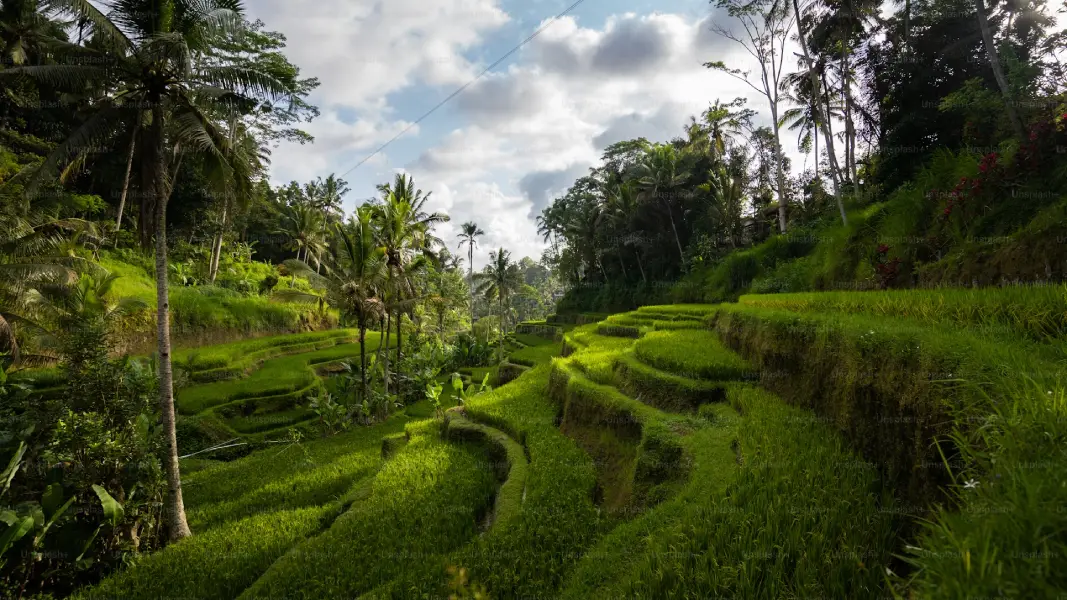
Ubud is Bali’s cultural and wellness capital, offering a slower, more introspective lifestyle perfect for deep work and creative thinking. Surrounded by rice terraces and jungle, this is the ideal spot for those who seek a peaceful, inspiring atmosphere.

✔️ Ideal for deep focus – A serene environment that fosters concentration and creativity.
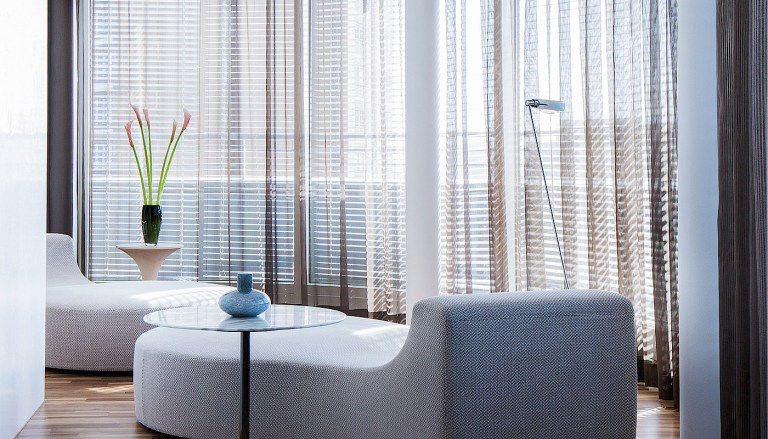
✔️ Wellness & balance – Easy access to yoga studios, fitness centers, and nature.

✔️ Thoughtfully designed spaces – Accommodations with a strong work-life balance in mind.
✔️ Rich cultural scene – Art, traditional ceremonies, and performances provide inspiration beyond work.

Best for: Writers, creatives, and professionals who thrive in tranquil, reflective spaces.

Canggu – A Dynamic Hub for Entrepreneurs and Professionals

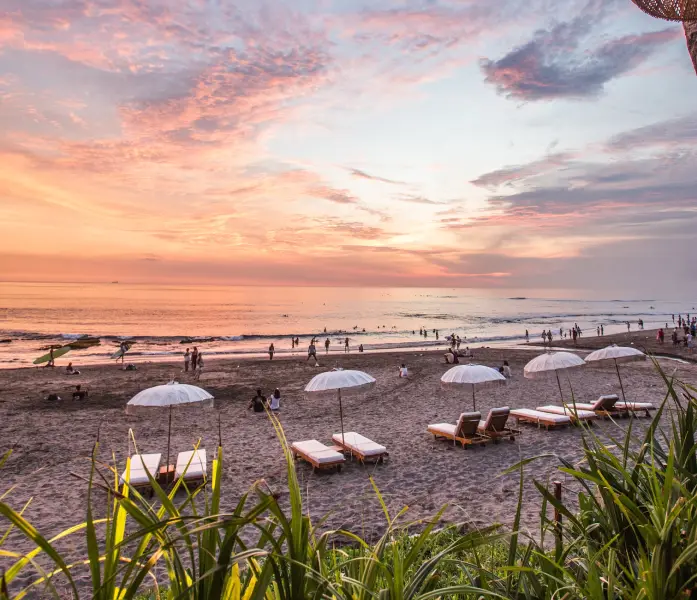
Canggu is Bali’s modern, high-energy coastal area, filled with remote professionals, business founders, and independent workers who have built their lifestyles around freedom and mobility.

✔️ Energetic and connected – A strong international community of professionals.
✔️ World-class fitness & wellness – From high-end gyms to surf-friendly beaches.
✔️ Seamless work environment – High-speed internet, structured accommodations, and easy logistics.
✔️ Vibrant social life – Networking opportunities, creative meetups, and community events.

Best for: Entrepreneurs, business professionals, and those who thrive in social, fast-paced environments.

Uluwatu – Space, Surf, and Stunning Scenery

Uluwatu offers a slower, more spacious alternative to Bali’s busier areas. With dramatic cliffs, open landscapes, and world-famous surf breaks, it’s perfect for those who want more space, a relaxed pace, and access to nature.

✔️ Quiet and expansive – Ideal for those who need deep work sessions without distractions.
✔️ Surf, swim, and recharge – A prime location for those who love an active lifestyle.
✔️ Wellness-focused environment – Great for those who value nature, movement, and mindfulness.
✔️ Thoughtfully designed stays – Spacious accommodations that prioritize both work and relaxation.

Best for: Remote professionals looking for space, stunning scenery, and a slower daily rhythm.

Lombok – A Fresh Perspective with Room to Breathe

For those looking to switch things up while staying productive, Lombok provides an incredible extension of the Bali lifestyle with fewer crowds, expansive coastlines, and a peaceful pace of life.

✔️ An alternative to Bali’s busier hubs – Quieter but still well-equipped for remote work.
✔️ Stunning nature – Uncrowded beaches, waterfalls, and untouched landscapes.
✔️ A growing international community – A mix of professionals looking for a fresh perspective.
✔️ Seamless transition – Work-friendly spaces without the hustle of busier locations.

Best for: Remote professionals who want a quieter, nature-focused work environment without leaving the region.

nu: Vietnam collection

Explore nu:experiences

Embark on a journey

Our journeys are designed for a seamless way to travel freely while staying productive. No more worrying about where to work from, if the WiFi is reliable, or where to find a gym, healthy food, or a like-minded community. We’ve curated a network of premium, long-stay accommodations that cater to remote professionals, ensuring you have inspiring workspaces, high-speed connectivity, wellness facilities, and vibrant social hubs wherever you go. Whether you’re looking to focus, explore, or connect, Nu:per makes it effortless to work and live anywhere—without compromising on comfort, routine, or community.

3 months Bali immersion

3 Months

6 Locations

2 Adventures

12 Activities

Immerse yourself in the essence of Bali as a professional nomad with a journey designed for both productivity and adventure. Stay in six carefully curated, luxury accommodations tailored for remote work, ensuring seamless efficiency and comfort.

Expand your horizons with short escapes to Lombok and Nusa Dua, each for a three-day adventure, offering a mix of exploration and relaxation. Experience the best of island life while engaging in 12 thrilling activities, including paragliding, boat tours, and whale spotting, to make your journey unforgettable.

Travel at your own pace, embracing the freedom of solo exploration, while also having the chance to connect with fellow nu:per nomads, creating shared moments and lifelong memories.

Quick overview:
  • 3 months
  • Stay in 6 hand-picked locations
  • Discover 6 local activities and 5 sports
Canggu – Uluwatu – Lombok, Pererenan – Ubud – Nusa Dua
  • Temple tour
  • Mount Batur sun-rise trecking
  • Fireflies tour
  • Cycling in the Ubud rice fields
  • Regular nu:per community events (online and offline)
  • Private Studio (min 34 sqm)
  • Gym facilities in all locations
  • Access to coworking lounge with super fast internet wifi
  • 24-7 front desk
  • Daily cleaning and bed-linen
  • Specialist diet catered for (macro diet, vegan, vegetarian)
  • All transfers are included in the air-conditioned private car
  • Return ferry tickets included Bali-Lombok-Bali
  • Any flight fares (can be added when customising the journey)
  • Food
  • Insurance
  • Hotel extras (room service, spa or other services)
  • Visa
  • Entrance or camera fees to museums/temples

Indonesian discovery

3 Months

6 Locations

2 Adventures

12 Activities

Immerse yourself in the essence of Bali as a professional nomad with a journey designed for both productivity and adventure. Stay in six carefully curated, luxury accommodations tailored for remote work, ensuring seamless efficiency and comfort.

Expand your horizons with short escapes to Lombok and Nusa Dua, each for a three-day adventure, offering a mix of exploration and relaxation. Experience the best of island life while engaging in 12 thrilling activities, including paragliding, boat tours, and whale spotting, to make your journey unforgettable.

Travel at your own pace, embracing the freedom of solo exploration, while also having the chance to connect with fellow nu:per nomads, creating shared moments and lifelong memories.

Quick overview:
  • 3 months
  • Stay in 6 hand-picked locations
  • Discover 6 local activities and 5 sports
Canggu – Uluwatu – Lombok, Pererenan – Ubud – Nusa Dua
  • Temple tour
  • Mount Batur sun-rise trecking
  • Fireflies tour
  • Cycling in the Ubud rice fields
  • Regular nu:per community events (online and offline)
  • Private Studio (min 34 sqm)
  • Gym facilities in all locations
  • Access to coworking lounge with super fast internet wifi
  • 24-7 front desk
  • Daily cleaning and bed-linen
  • Specialist diet catered for (macro diet, vegan, vegetarian)
  • All transfers are included in the air-conditioned private car
  • Return ferry tickets included Bali-Lombok-Bali
  • Any flight fares (can be added when customising the journey)
  • Food
  • Insurance
  • Hotel extras (room service, spa or other services)
  • Visa
  • Entrance or camera fees to museums/temples

Other Journeys You May Like

Vietnam FAQs

Where to Live in Vietnam?

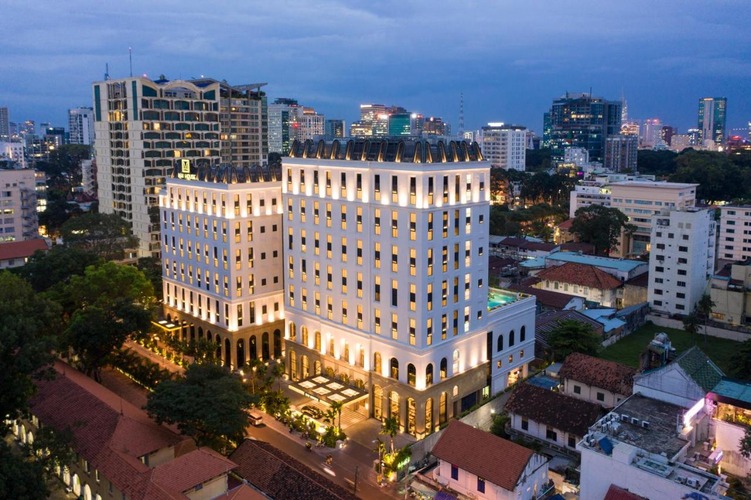
 Ho Chi Minh City – The Economic Hub

Ho Chi Minh City (Saigon) is Vietnam’s largest and most dynamic city, offering a modern urban environment with thriving business and remote work opportunities.

  • High-speed internet & coworking spaces – The best digital infrastructure in Vietnam.
  • Great networking & startup ecosystem – A hub for tech entrepreneurs, remote professionals, and business travelers.
  • International airport with global connections – Direct flights to major cities worldwide.
  • Vibrant food, nightlife, and cultural scene – Michelin-star restaurants, rooftop bars, and traditional markets.

Best for: Entrepreneurs, remote workers, and professionals who thrive in a fast-paced city environment.

 Hanoi – Cultural & Business Capital

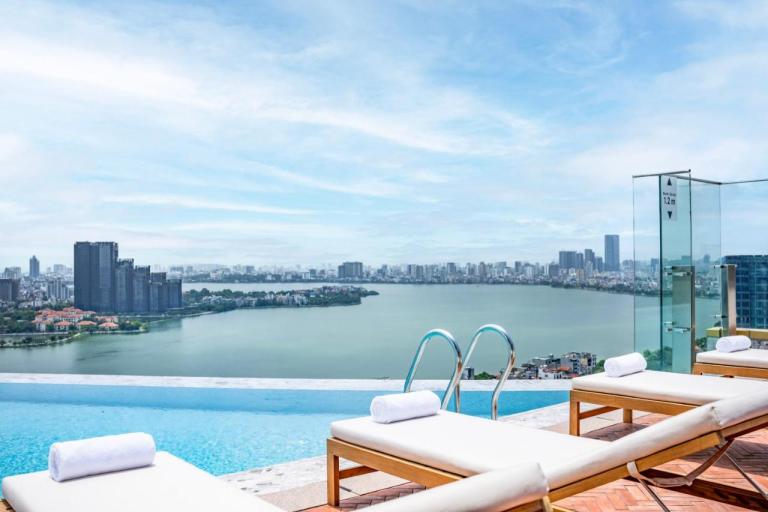
Hanoi, the capital of Vietnam, combines a rich cultural atmosphere with modern business infrastructure. It’s a great choice for professionals who appreciate a mix of history, tradition, and global connectivity.

  • Business-friendly & well-developed urban infrastructure – Ideal for professionals needing strong city infrastructure.
  • Historic charm with a contemporary edge – Traditional Vietnamese architecture meets modern coworking spaces.
  • Proximity to nature – Quick access to Sapa, Ha Long Bay, and Ninh Binh for weekend getaways.

Best for: Those looking for a culturally rich city with strong professional opportunities.

 Da Nang – Vietnam’s Coastal Remote Work Hub

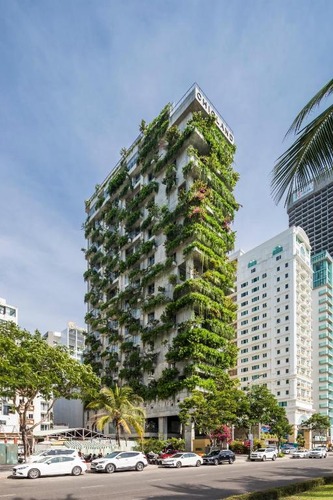
Da Nang is quickly rising as Vietnam’s top coastal city for remote work, thanks to its modern infrastructure, relaxed vibe, and beachside living.

  • Beachfront coworking & lifestyle integration – Work from world-class resorts while staying productive.
  • Strong expat and remote work community – Many international professionals call Da Nang home.
  • Access to mountains, beaches, and outdoor activities – Perfect for work-life balance.

Best for: Remote workers and professionals looking for a scenic, well-connected base.

Hoi An – A Tranquil & Inspiring Base

For those who want a quieter, charming work environment, Hoi An offers a peaceful atmosphere with authentic Vietnamese culture.

  • Laid-back but well-equipped for remote work – Boutique accommodations with modern workspaces.
  • Stunning heritage town & creative energy – Ideal for writers, designers, and creative professionals.
  • Cycling-friendly & eco-conscious community – A slower, mindful way of living and working.

Best for: Creative professionals and freelancers seeking an inspiring, tranquil setting.

Phu Quoc – Island Life for Remote Workers

If you’re looking for a tropical island base with modern conveniences, Phu Quoc is the best choice.

  • Luxury extended-stay accommodations with coworking facilities – Perfect for long-term stays.
  • Strong tourism infrastructure & remote work-friendly environment – Plenty of cafes, wellness retreats, and workspaces.
  • Easy access to Ho Chi Minh City & other major hubs – Frequent flights for business or weekend trips.

Best for: Remote professionals wanting a beachfront lifestyle with global connectivity.

 Nha Trang – The Coastal City with Urban Comforts

Nha Trang is known for its luxury resorts, developed expat community, and beachside living.

  • High-end accommodations & strong infrastructure – Ideal for extended stays with all necessary amenities.
  • Plenty of outdoor activities – Scuba diving, sailing, and beachfront fitness culture.
  • Growing coworking scene – Remote-friendly spaces are increasing in number.

Best for: Professionals who want the perfect mix of beach and business.

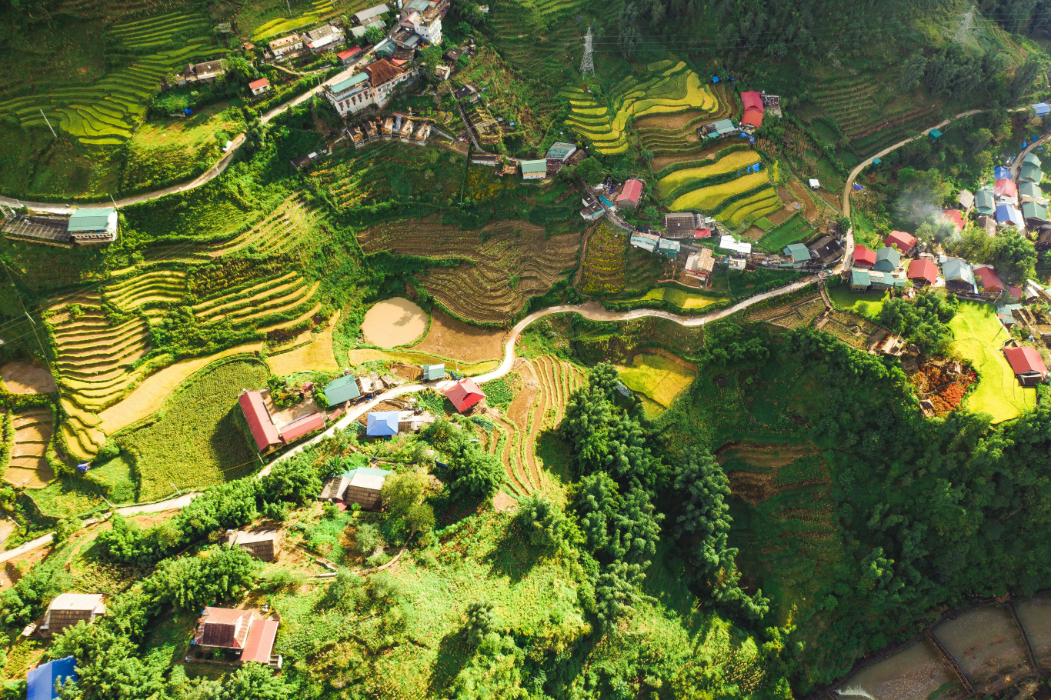
 Sapa – A Mountain Escape for Focus & Wellness

Sapa is an emerging digital nomad hotspot for those looking for a peaceful, nature-focused retreat.

  • Cool climate with stunning mountain views – A unique contrast to Vietnam’s coastal destinations.
  • Great for deep work & personal wellness – Yoga retreats, hiking, and meditation centers.
  • Strong expat presence in boutique accommodations – Quiet and community-driven workspaces.

Best for: Remote workers seeking a secluded, inspiring mountain setting.

Beyond the well-known hubs like Ho Chi Minh City, Hanoi, and Da Nang, Vietnam has several up-and-coming destinations attracting remote professionals and location-independent workers. Here are some of the rising hotspotsfor remote work in Vietnam:

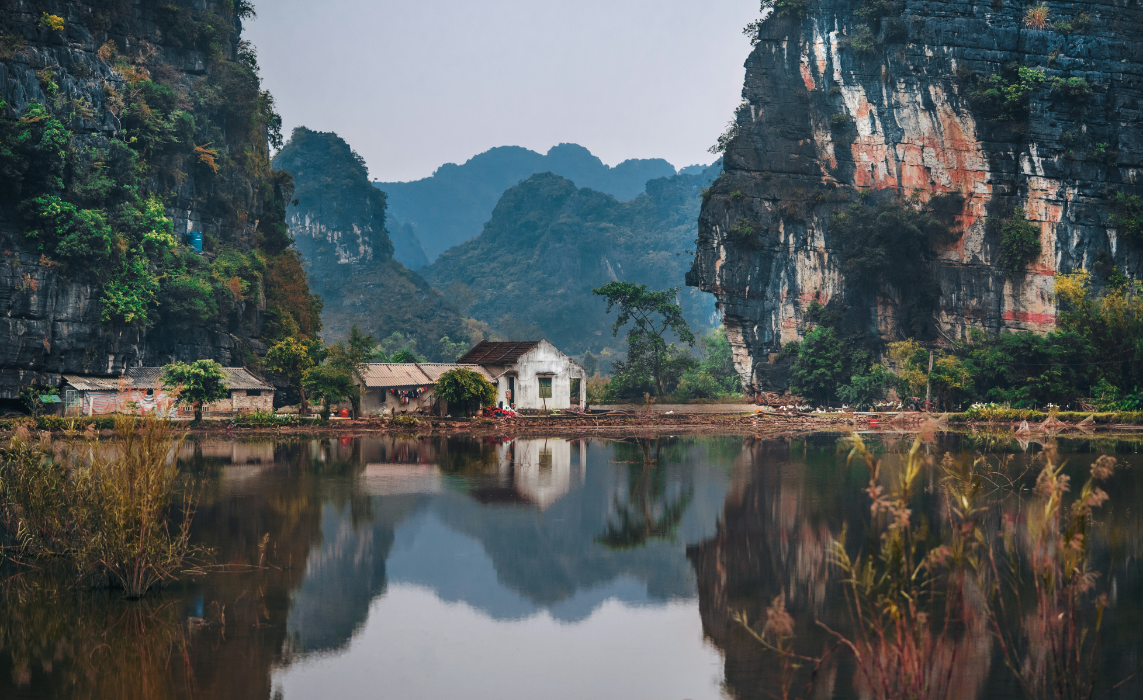
 Ninh Binh – The “Ha Long Bay on Land”

 Why it’s emerging:

  • Stunning limestone karsts, rice fields, and tranquil surroundings.
  • Growing number of eco-lodges and boutique accommodations suitable for remote work.
  • Ideal for deep work, creativity, and wellness-focused professionals.
  • Easy access from Hanoi (2-hour drive).

 Best for: Remote workers seeking a quiet, scenic retreat close to nature.


 Mui Ne – Vietnam’s Coastal Adventure Hub

 Why it’s emerging:

  • Beautiful beaches and excellent kitesurfing community.
  • Growing number of co-living spaces and digital nomad-friendly accommodations.
  • Reliable internet and a laid-back lifestyle.
  • Cheaper and less crowded than Da Nang or Phu Quoc.

 Best for: Beach-loving freelancers and entrepreneurs who want a coastal escape without the tourist crowds.


 Hue – Vietnam’s Historic & Cultural Gem

 Why it’s emerging:

  • A slower pace compared to Hanoi and HCMC, making it ideal for deep work.
  • Strong cultural and historical appeal, with a thriving expat community.
  • Lower cost of living, with affordable high-quality accommodation.
  • Developing cafés and coworking spaces for remote workers.

 Best for: Writers, researchers, and professionals looking for a mix of culture and tranquility.


 Quy Nhon – Vietnam’s Best-Kept Beach Secret

 Why it’s emerging:

  • Pristine beaches, fewer tourists, and a strong local economy.
  • New luxury and boutique hotels catering to long-term stays.
  • Great for outdoor activities like hiking, diving, and paddleboarding.
  • Increasing investment in digital infrastructure, making remote work easier.

 Best for: Those who want a scenic, affordable beach town with modern amenities.


 Cam Ranh – The Next Luxury & Remote Work Hub

Why it’s emerging:

  • Home to high-end resorts, luxury accommodations, and coworking-friendly hotels.
  • Near Nha Trang but quieter, offering a more relaxed work environment.
  • Great for wellness-focused professionals, with access to spas, yoga, and fitness centers.
  • Direct flights to Ho Chi Minh City and Hanoi, making it easy to stay connected.

 Best for: Professionals looking for a balance of work, comfort, and high-end living.


 Sapa – Vietnam’s High-Altitude Remote Work Haven

 Why it’s emerging:

  • Cool climate, stunning mountain views, and a relaxed atmosphere.
  • Strong eco-tourism industry and boutique accommodations suitable for remote work.
  • Hiking, wellness retreats, and deep work-friendly environment.
  • Popular among long-term expats looking for a change from city life.

 Best for: Digital nomads who enjoy mountain retreats and a slower pace.

 Vung Tau – The Beach City Near Ho Chi Minh

Why it’s emerging:

  • Closest beach destination to Ho Chi Minh City (only 2 hours away).
  • A mix of local culture and growing remote work infrastructure.
  • Affordable living costs compared to major cities.
  • Great for weekend getaways and flexible working professionals.

 Best for: Those who want easy access to both city life and the beach.

Renting in Vietnam can vary depending on the length of stay, location, and quality expectations.

  • Short-term rentals (1–3 months):
  • While there are many options available, the quality can vary significantly—especially with privately owned villas or short-term apartments.
  • Many listings lack professional management, reliable maintenance, or accurate descriptions.
  • It’s common to find issues with WiFi, plumbing, or hidden extra fees—which can be frustrating for remote workers needing seamless living arrangements.
  • Mid-term & long-term rentals (3+ months):
  • More affordable, but typically require a lease agreement, a deposit (1–3 months), and local bank payments.
  • Many landlords prefer cash transactions, and some don’t accept credit card payments.
  • Language barriers can make direct negotiations challenging unless using a property managed by an international provider.


Vietnam currently does not have an official digital nomad visa, but remote workers can stay using different visa options:

 Tourist Visa:

  • Available for 30 or 90 days, depending on nationality.
  • Extensions may be possible, but visa runs (exiting and re-entering) are common.

Business Visa (DN Visa):

  • Valid for up to 12 months, but requires sponsorship from a Vietnamese company.

Investor Visa (DT Visa):

  • For entrepreneurs starting businesses in Vietnam. Allows for long-term residency options.

 Vietnam Elite Visa (Five-Year Visa Exemption Certificate):

  • Available to those with Vietnamese heritage or spouses of Vietnamese citizens.
  • Allows multiple five-year entries.

Visa Runs: Many remote workers extend their stay by traveling to neighboring countries like Thailand or Cambodia before re-entering.

Tip: Always check the latest visa regulations as policies can change.

Yes, but requirements depend on your visa status.

  • Tourist visa holders generally cannot open a bank account.
  • Business visa holders & long-term residents can open accounts at banks like Vietcombank, BIDV, Techcombank, and HSBC.
  • Required documents: Passport, valid visa, proof of address, and work permit (if applicable).

For ease of transactions, Wise, Revolut, and Payoneer are great alternatives for digital banking.

Vietnam has multiple transportation options:

  •  Taxis & Ride-Sharing Apps: Grab, Gojek, and Be are widely used.
  • Motorbike Rentals: Common in cities but require an international driving permit.
  • Trains & Buses: Good for long-distance travel but slower than flights.
  • Car Rentals: Expensive and require a Vietnamese driver’s license.

Most expats and remote workers avoid owning a car and prefer motorbikes, taxis, and public transport.

Vietnam is well-connected globally, with three major international airports:

 Noi Bai International Airport (Hanoi – HAN):

  • Direct flights to Tokyo, Seoul, Bangkok, Singapore, Paris, Frankfurt, and New York (via connecting flights).

 Tan Son Nhat International Airport (Ho Chi Minh City – SGN):

  • Vietnam’s busiest airport, with direct flights to Los Angeles, Dubai, Seoul, Sydney, and most Asian hubs.

Da Nang International Airport (DAD):

  • Direct flights to Kuala Lumpur, Singapore, Bangkok, Seoul, and Hong Kong.

Low-cost carriers like VietJet Air, Bamboo Airways, and Vietnam Airlines make regional travel easy.

Vietnam offers high-quality, affordable healthcare, but private hospitals are preferred by expats.

 Public hospitals – Low-cost but long wait times and language barriers.
 Private hospitals & clinics – Western-standard care, faster service, widely used by foreigners.

Popular private hospitals:

  • Hanoi: Vinmec, International SOS
  • Ho Chi Minh City: FV Hospital, Columbia Asia
  • Da Nang & Coastal Areas: Family Medical Practice

 Insurance: Highly recommended. International health insurers like Cigna, Allianz, or local providers like Bao Vietoffer coverage

Vietnam has a strong fitness and wellness culture, with options ranging from high-end gyms to yoga retreats.

  • Premium gyms (California Fitness, Elite Fitness, Fit24): $40–$120/month
  • Pilates & boutique fitness studios: $10–$25 per session
  • CrossFit & MMA gyms: $50–$150/month
  • Yoga & wellness retreats: Popular in Hoi An, Phu Quoc, and Da Nang

All Nu:per properties include access to fitness and wellness facilities.

Yes! Vietnam has a strong food delivery network, with apps like:

GrabFood, Baemin, ShopeeFood, and Loship.

 Supermarkets offer home grocery delivery via Vinmart, Lotte Mart, and Big C.

  •  Popular online shopping platforms:
  • Lazada, Shopee, Tiki.vn – Similar to Amazon.
     
  • Zara, H&M, Uniqlo, and local fashion brands.
  • Apple, Samsung, and electronics available at Nguyen Kim and The Gioi Di Dong.

Vietnam is renowned for affordable wellness services.

  •  Massages (spa & wellness centers): $10–$50
  • Manicures & pedicures: $5–$20
  •  Haircuts & styling: $10–$40
  •  Aesthetic treatments (Botox, fillers): 30–50% cheaper than US/Europe

Best locations: Ho Chi Minh City, Hanoi, Da Nang, Phu Quoc.

Yes, especially in areas like Da Nang, Hanoi, and Phu Quoc. International schools, family-friendly activities, and modern healthcare make it an attractive option.

  • Cash-based economy – Many places do not accept cards.
  • Traffic congestion – Big cities can be chaotic.
  • Visa rules change frequently – Stay updated!

Vietnamese business culture is formal and relationship-driven.

  • Punctuality matters, but flexibility is common.
  • Hierarchy is respected in business environments.
  • Tết (Vietnamese New Year)Major closures for up to 2 weeks.
  • April 30th – Reunification Day
  • September 2nd – National Day
  • Groceries: $200–$400/month
  •  Transportation: $50–$100/month
  •  Mobile & Internet: $10–$30/month

Vietnam follows a worldwide taxation system for tax residents, meaning income earned globally may be taxable if you meet residency criteria.

 Tax Residency Rules:

  • You are considered a tax resident if you stay in Vietnam for 183 days or more within a calendar year.

  • Non-tax residents (staying under 183 days): Only Vietnam-sourced income is subject to tax.

  • Tax residents (staying over 183 days):

  • Global income is taxable in Vietnam, regardless of where it is earned.

  • However, foreign income is taxed only if it is remitted into Vietnam.

 Tax Rates for Remote Workers in Vietnam:

  • Personal income tax (PIT) ranges from 5% to 35%, depending on earnings.

  • Freelancers and contractors may be taxed as self-employed individuals, with applicable tax rates.

  • Some Double Taxation Agreements (DTAs) may help reduce tax burdens for expats.

 Key Takeaways:

  •  If you stay less than 183 days, you are not taxed on foreign income.
  • If you stay longer and remit money into Vietnam, you may be liable for taxes.
  • Consider structuring your finances to avoid remitting foreign earnings within the same tax year.
  • A local tax consultant can help navigate your personal tax situation.

Operating a foreign-registered business while living in Vietnam has specific tax implications, depending on where your company is incorporated and how it generates income.

 Scenario 1: Your Business is Registered Outside Vietnam

  • If your business is incorporated outside of Vietnam and does not generate revenue from Vietnamese clients, it is not subject to corporate taxation in Vietnam.

  • However, if you pay yourself a salary as a Vietnam tax resident, that income is taxable.

 Scenario 2: Your Business Earns Revenue in Vietnam

  • If your company earns money from Vietnamese clients, it may need to register for tax and pay corporate income tax (CIT).

  • CIT is 20% on taxable income.

  • Value-Added Tax (VAT) applies if the business is selling taxable goods or services in Vietnam.

 Scenario 3: Your Business is Registered in Vietnam

  • Vietnamese-registered companies must pay corporate tax (20%) and comply with local business laws.

  • Hiring foreign employees requires work permits and compliance with Vietnam’s labor laws.

  • Certain business activities may qualify for tax incentives or lower CIT rates.

 Key Takeaways:

  • Running a business from Vietnam but registered elsewhere can be tax-efficient, but personal taxation applies.
  • Businesses with Vietnamese clients may need to register for tax.
  • If setting up a business in Vietnam, proper legal and tax structuring is crucial.

Vietnam has three climate zones, meaning the best time to visit depends on the region:

Best Overall Travel Season: October – April

  • Cool and dry in the north (Hanoi, Sapa).
  • Pleasant in central Vietnam (Da Nang, Hoi An, Hue).
  •  Warm and dry in the south (Ho Chi Minh City, Phu Quoc).
  •  Best time for outdoor activities and sightseeing.

Rainy Season: May – September

  •  Frequent downpours, but short-lived.
  •  Humidity is high, especially in Ho Chi Minh City and Hanoi.
  • Central Vietnam (Hoi An, Da Nang) may experience typhoons in late summer.

 Hot & Humid: May – August

  •   Temperatures reach 35-40°C (95-104°F) in the cities.
  •   Coastal areas like Nha Trang and Phu Quoc stay cooler due to sea breezes.

 Best Time for Remote Work & Extended Stays:

  • October – March for comfortable weather in most regions.
  •  Avoid August – September if staying in Hoi An or Da Nang due to typhoon season.
  • South Vietnam (Ho Chi Minh, Phu Quoc) is warm year-round, making it ideal for beach living.

Stay in the loop

Sign up to receive email updates, availability, special promotions and more. We respect your privacy and will never share your information with any third-party vendors.

© 2025 nu:per powered by Adir Group